
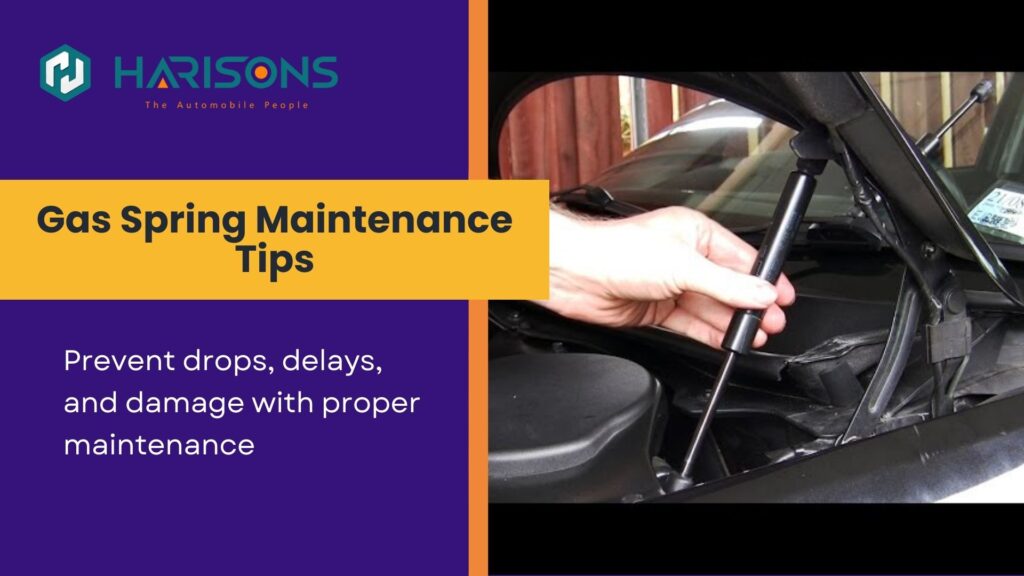
In almost every modern car, from hatchbacks to SUVs, hidden helpers called gas springs for cars make everyday life easier. These compact devices, also known as gas struts, use compressed gas and a sliding piston to assist with opening and holding heavy parts like the hood, trunk, or tailgate. The smooth motion and reliable support feel effortless.
Just like any mechanical component, gas struts are not immune to wear. Over years of daily use, dirt, rust, misalignment, and normal wear can weaken their performance, leading to heavy lids that would not stay open or jerky movement that feels unsafe. That is why understanding gas spring maintenance tips is not just for mechanics, it is a smart habit every car owner should adopt.
Whether you are preparing for a long trip or just doing routine upkeep, paying attention to your car’s gas struts ensures not only convenience but also everyday safety. With the right maintenance approach, these often-overlooked components will continue to provide smooth, controlled support whenever you need it.
What are Gas Springs in Cars and Why Proper Maintenance Matters?
In vehicles, a gas spring is a sealed support device that creates force through compressed nitrogen gas acting on a sliding piston and piston rod inside a cylinder. This simple but effective arrangement allows the spring to assist in lifting and holding open heavy parts of a car, such as the hood, trunk or boot, tailgate or liftgate, and even some adjustable seats, without the jerky motion or manual props of older systems. These automotive gas springs deploy smooth, controlled motion that feels effortless, which is why many people call them a gas strut when referring to the hood or tailgate supports.
Unlike traditional mechanical springs, which rely solely on metal bending to store and release energy, gas springs use internal gas pressure and precision seals to provide consistent force and damping throughout their travel. Because they control motion so much more effectively, a well-maintained automotive gas spring lasts longer, prevents sudden failures that can cause lids to slam or drop unexpectedly, and keeps everyday vehicle operation safe and easy.
Essential Gas Spring Maintenance Tips
Proper care of the components that help open and support parts of your vehicle is just as important as maintaining the engine or brakes. A gas spring, often called a gas strut, is a small but critical part of many cars, helping to smoothly lift and hold heavy panels like the hood, trunk, or tailgate. Following the right gas strut maintenance tips not only extends the life of your automotive gas spring but also ensures safe and reliable operation every time you use it.
- Keep the Gas Spring Rod Clean: Regularly wipe the piston rod of your gas spring with a soft cloth to remove dust, dirt, and grime. Particles on the surface can wear down seals and cause premature damage, so keeping it clean is one of the simplest yet most effective gas spring maintenance tips.
- Avoid Petroleum-Based Lubricants: Using petroleum-based oils on the rod or seals can attract dirt and degrade materials. For most automotive gas springs, a light silicone-based lubricant, if any, is better, as it reduces friction without compromising the sealing surfaces.
- Check for Rust & Moisture Accumulation: Moisture can lead to rust on the metal parts of a gas strut, especially in humid conditions. Inspect your automotive gas springs for early signs of corrosion and clean and dry them frequently to prevent rust from damaging the piston rod or seals.
- Choose High-Quality Gas Springs: Invest in reliable, well-made gas springs for your vehicle. A high-quality automotive gas spring typically uses better materials and tighter manufacturing standards, which enhances durability and reduces the need for frequent replacements.
- Inspect for Oil or Gas Leakage: Visual checks for oil residue, fluid streaks, or hissing sounds can help spot leaks early. A leaking gas spring is losing pressure and would not perform as intended, so replacing compromised gas struts promptly prevents sudden failures.
- Avoid Overloading the Supported Panel: Each gas spring is designed to handle a specific load. Putting too much weight on the panel it supports, such as an especially heavy aftermarket hood or tailgate, strains the gas spring and shortens its life, so always match the spring capacity to the weight it needs to support.
- Operate Gas Springs Smoothly: Abrupt forceful movements or slamming the hood or trunk can stress the internal seals of a gas strut. Smooth, controlled use reduces internal wear and is one of the key gas strut maintenance tips that keeps your automotive gas springs lasting longer.
- Avoid Exposing Gas Springs to Extreme Heat: Gas springs are sensitive to high temperatures, such as near hot engine components, which can increase internal pressure and accelerate seal wear. Protect your automotive gas spring from repeated exposure to extreme heat to preserve performance.
- Check for Proper Gas Pressure: Although automotive gas springs are sealed and not user-serviceable, monitoring how easily a panel lifts and holds open gives a good indication of whether the gas spring is still providing adequate pressure. Reduced force often means the spring is nearing the end of its life and needs replacement
- Monitor Mounting and Alignment: Ensure gas struts are correctly aligned and mounted securely. Misalignment or loose brackets place side forces on the piston rod and seals, speeding up wear. Proper alignment is an important gas spring maintenance tip that helps maintain smooth and balanced motion.
Regular care and attention to your automotive gas spring goes a long way in preventing unexpected failures and ensuring that everyday operations like opening the hood or trunk remain smooth and safe. By following these essential gas strut maintenance tips, you will extend the useful life of your gas springs and enjoy consistent, trouble-free performance from these often-overlooked yet essential components.
Signs Your Gas Springs Need Immediate Attention
Your gas spring and gas struts are essential components that help lift and hold heavy panels like the hood and tailgate in your vehicle. When one of these supports starts to fail, it is important to recognise the signs quickly so you can address the issue before it becomes a safety hazard or causes further damage. Automotive gas strut problems often begin subtly but become more obvious over time.
- Hood Feels Heavy: If the hood of your car suddenly feels heavier than usual or takes much more effort to lift, it is a clear sign that the gas spring for cars has lost its internal pressure and is no longer providing sufficient support.
- Tailgate Does not Stay Open: When the tailgate or trunk lid fails to stay fully open and slowly drifts down, it indicates that the gas spring has lost its ability to hold the load. This loss of support can make accessing the rear of your vehicle unsafe and inconvenient, pointing toward worn or failing automotive gas struts that need replacing.
- Struts Make Grinding or Unusual Noises: Healthy gas springs operate quietly and smoothly. If you hear grinding, squeaking, hissing, or other unusual sounds when lifting or lowering a panel, it often means internal components are deteriorating, seals may be compromised, or gas is escaping. This is a sign that your gas strut is near the expiry date.
- Visible Oil or Gas Leakage: Spotting oil or dampness around the body of a gas spring is a visible indication that internal seals are failing and gas or fluid is escaping. Once leakage occurs, the gas spring can no longer maintain proper pressure, reducing its ability to support weight safely.
Therefore, recognising these warning signs early, such as a hood that feels heavy, a tailgate that would not stay open, odd noises, or visible leakage, helps you take timely action before a minor issue turns into a safety concern. Keeping an eye on common symptoms of gas spring wear ensures your automotive gas strut system stays reliable, and knowing when to schedule a gas strut replacement keeps your vehicle safe and easy to use every day.
Conclusion
Taking good care of the gas springs in your vehicle is more than just a maintenance task. It is a way to ensure smoother performance, enhanced safety, and a longer lifespan for critical components like hoods, tailgates, and trunk lids. By following practical gas strut maintenance tips, you can avoid unexpected wear, reduce the need for premature gas strut replacement, and keep your gas spring for cars working reliably day after day.
When it comes to quality and trust in automotive support components, Harisons India stands out as an excellent choice for car owners and service professionals alike. With decades of experience crafting precision-engineered gas springs and a strong reputation for durability and reliability, Harisons India offers products designed to deliver smooth lifting, consistent performance, and long-lasting service. Choosing Harisons means you are investing in well-built automotive gas struts that make maintenance easier and keep your vehicle operating safely and effortlessly on the road.
AP777slot, let’s go slots! I just hope they have a good payout rate. I’m feeling lucky today! Check it out now for yourself: ap777slot
Logging in should never feel like a puzzle and this place keeps everything running buttery smooth from start to finish. I love how my deposits show up instantly and how safe my personal details feel in their vault. Take a peek at baim4dlogin and experience a login process that actually respects your time.
This is exactly the kind of place I have been searching for to relax after a long day. The payout process is super transparent and I never feel rushed to make decisions. Everything just flows naturally from sign up to cash out. Great team behind this one. idwdboss